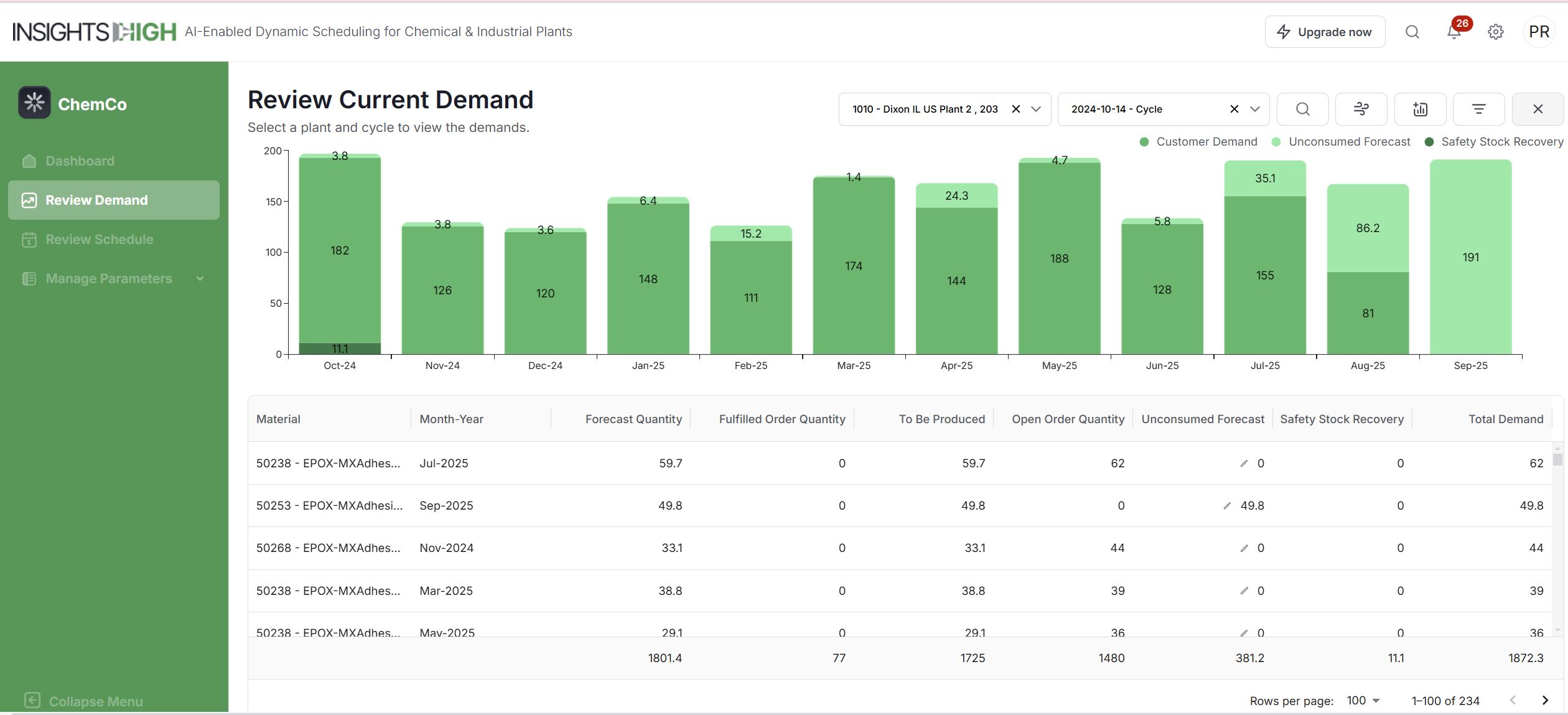
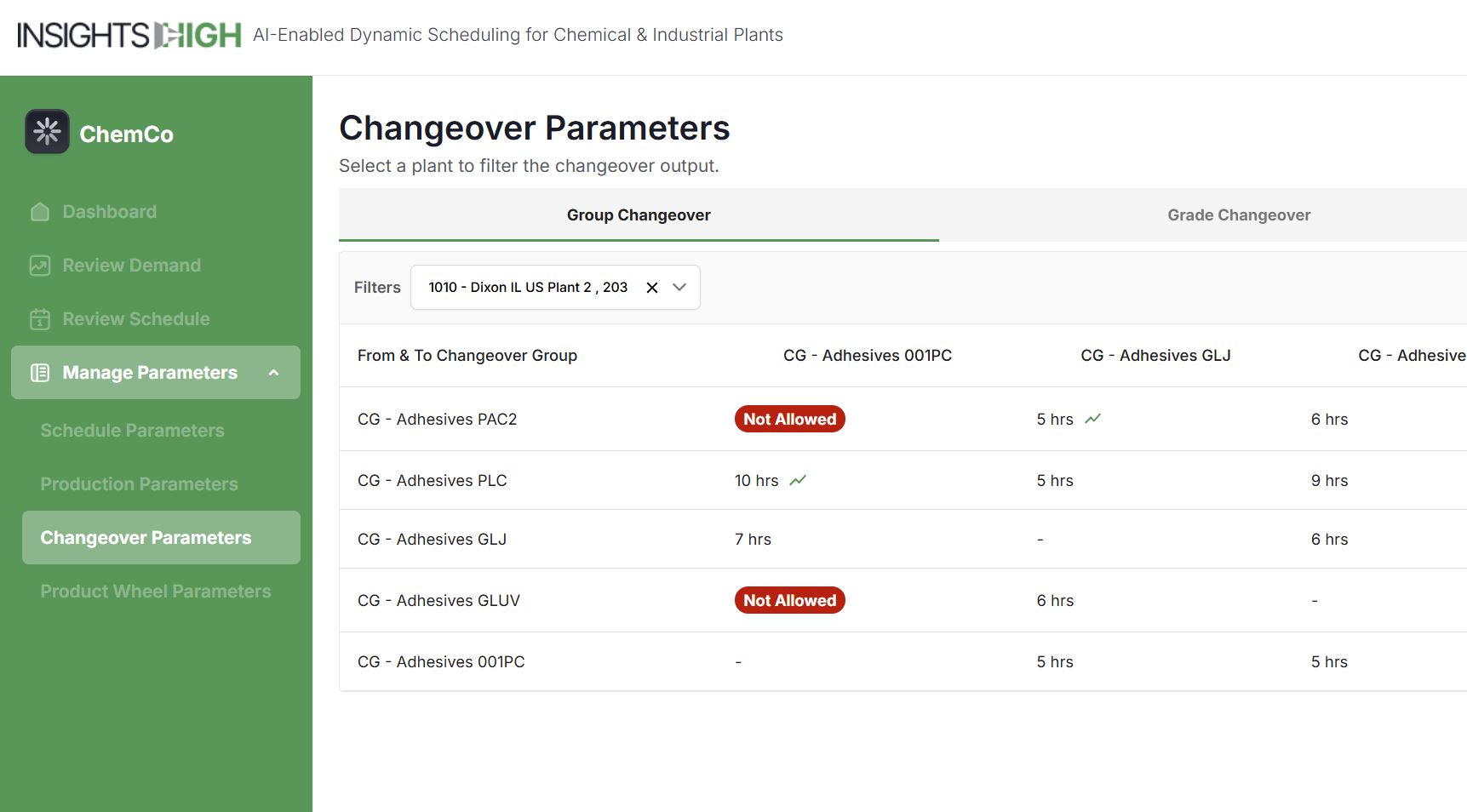
Integrated Business Management (IBM) is often seen as the linchpin of organizational alignment, where strategy translates seamlessly into operational actions across demand, supply, finance, and the rest of the value chain. IBM was introduced at least three decades ago with the promise of unifying business functions and driving efficiency. Over the years, companies have invested millions of dollars in supply chain planning and IBM software that vendors have promoted as the solution to these challenges. Yet, despite these investments, many processes remain rudimentary, with companies still struggling to realize the true value of IBM. Despite significant technological advancements and an evolving understanding of business dynamics, the core challenges remain largely the same—a complex diagnosis where the symptoms are visible, but the underlying problems are elusive.
The Misalignment Crisis
Too Much Granular Data, Too Few Insights
Where Planning Breaks Down: The Forecasting Disconnect
Symptoms of Disconnected IBM: Inventory, Service, and Working Capital Strain
The Road to Integrated Business Success
- Lack of Visibility and Transparency: Many companies struggle with visibility across the organization. Without a shared understanding of metrics, processes, and dependencies across functions, decision-making becomes fragmented, and opportunities are missed. Ensuring transparency is fundamental to creating alignment.
- Limited Scenario Planning Capabilities: IBM should allow companies to model different scenarios and evaluate the trade-offs between service levels, inventory, and financial goals. However, without effective tools and processes for scenario analysis, companies cannot be agile, often leading to either over-preparing or under-preparing for changes.
- Cultural Barriers to Change: Integrated management requires cross-functional collaboration and shared goals. Silos and entrenched ways of working can prevent true integration. Overcoming cultural barriers necessitates a shift in mindset, clear communication from leadership, and incentives that reward enterprise-wide success over individual functional targets.
- Inadequate Technology Integration: Legacy software and disconnected systems hinder the ability to maintain cohesive planning and execution processes. Effective IBM requires real-time data integration and a seamless flow of information between systems to enable informed, data-driven decision-making.
- Disconnect Between Volume and Financial Plans: Too often, volume and financial plans exist in silos. Without integration between operational and financial stakeholders, companies struggle to understand the financial implications of production decisions. A successful IBM framework bridges this gap, ensuring that decisions are both operationally feasible and financially sound.
- Lack of Decision-Oriented Processes: IBM should facilitate decision-making, yet many organizations get bogged down in lengthy review processes that focus more on numbers than on action. Shifting to an exception-driven approach, which emphasizes key issues and decisions, helps streamline meetings and prioritize interventions that drive meaningful outcomes.
- Missing Link Between Strategic and Execution Plans: Strategic goals often fail to connect to day-to-day operational realities. IBM should provide a clear path from strategic intent down to the specific actions needed at the execution level, ensuring alignment between high-level goals and frontline operations.
What Can Companies Do to Realize the Promise of IBM?
- Foster a Culture of Alignment: Break down silos and ensure all departments are working towards shared goals. This requires leadership commitment to fostering collaboration, transparency, and alignment across functions. Incentivizing behaviors that support enterprise-wide success can help drive the cultural shift necessary for IBM to thrive.
- Integrate Volume and Financial Plans: Align operational plans with financial targets to ensure decisions are feasible both in execution and financially. This integration enables a holistic view of the business, where operational decisions drive desired financial outcomes.
- Adopt Advanced Scenario Planning: Develop capabilities for effective scenario analysis, allowing companies to evaluate potential outcomes and choose the best path forward based on risk, opportunity, and alignment with business goals. This helps organizations stay agile and prepared for dynamic changes.
- Leverage Technology as an Enabler: Utilize technology to provide real-time data, consistency, and actionable insights. However, recognize that technology alone is not enough—successful IBM requires a cultural and strategic shift to fully leverage the power of data integration.
- Orient Around Decisions, Not Reviews: Make IBM processes decision-oriented rather than lengthy review sessions. Meetings should focus on exceptions, key drivers, and actionable insights, ensuring that time is spent on decisions that move the organization forward.
- Link Strategy to Execution: Ensure that strategic goals are connected to day-to-day actions. IBM should be the tool that bridges high-level strategy with frontline execution, aligning every function and ensuring that all actions are contributing to enterprise-wide success.