The Evolution of Supply Planning
To address these shortcomings and crystallize what truly matters in supply planning, we have distilled our 20+ years of experience helping clients transform their supply planning functions into nine key commandments. These principles define what makes a supply planning function exceptional, yet they are frequently—and flagrantly—overlooked.
The Nine Commandments of Supply Planning Success
7. Thou Shalt Prioritize Actions Based on Value, Not Just Volume
Effective supply planning must prioritize based on value, not just volume, to ensure the most impactful decisions are made. Two key concepts guide this approach:
- Margin Velocity: This measures contribution margin per hour of asset time, providing a clear metric to dictate capacity allocation. By focusing on margin velocity, planners can prioritize high-value products that maximize the return on constrained capacity.
- Pocket Margins: Unlike gross or contribution margin, pocket margins reflect the actual realized margin after accounting for cost-to-serve factors like freight, discounts, and rebates. Pocket margins should drive cost-to-serve decisions, ensuring resources are allocated efficiently and aligned with profitability goals.
A specialty chemicals manufacturer facing capacity constraints applied these principles. By calculating margin velocity, they reallocated asset time to high-margin specialty products, improving profitability. Similarly, for another industrials company, pocket margin analysis revealed unprofitable customer accounts due to unrecovered freight costs, due to freight-included pricing. For some of these customers where price adjustment was not an option, adjusting service levels and MOQs for these accounts improved profitability, showcasing the power of value-driven prioritization.
8. Thou Shalt Leverage Historical Data for Insights, Not Just Forecasts
Historical data is essential for Forecasting, but don’t stop there. Historical data offers deeper insights to improve both demand and supply planning:
- Demand Side: Historical data reveals customer buying patterns and ordering behaviors, such as order frequency, order timing and order size. A chemical company used this data to identify customers placing last-minute bulk orders which disrupted plant operations, enabling them to have a dialog around lead time policies and also where that was not an option, proactively adjust safety stock levels and avoid disruptions. Similarly, historical order size analysis can lead to significant insights on cost-to-serve and freight choices.
- Supply Side: Historical data also sheds light on supply-side variables like lead times, supplier reliability, and production asset behavior. For instance, a chemicals company discovered recurring delays in raw material deliveries during certain months. Armed with this insight, they renegotiated delivery terms with suppliers and introduced alternative sourcing options, reducing variability and ensuring smoother operations.
By mining insights from rich historical data, companies can create more resilient and reliable supply chains.
9. Thou Shalt Close the Loop Between Plan and Execution
Plans often falter because they fail to reflect real-world constraints and execution realities. Closing the loop between planning and execution requires not only monitoring outcomes but also ensuring the planning approach itself is realistic.
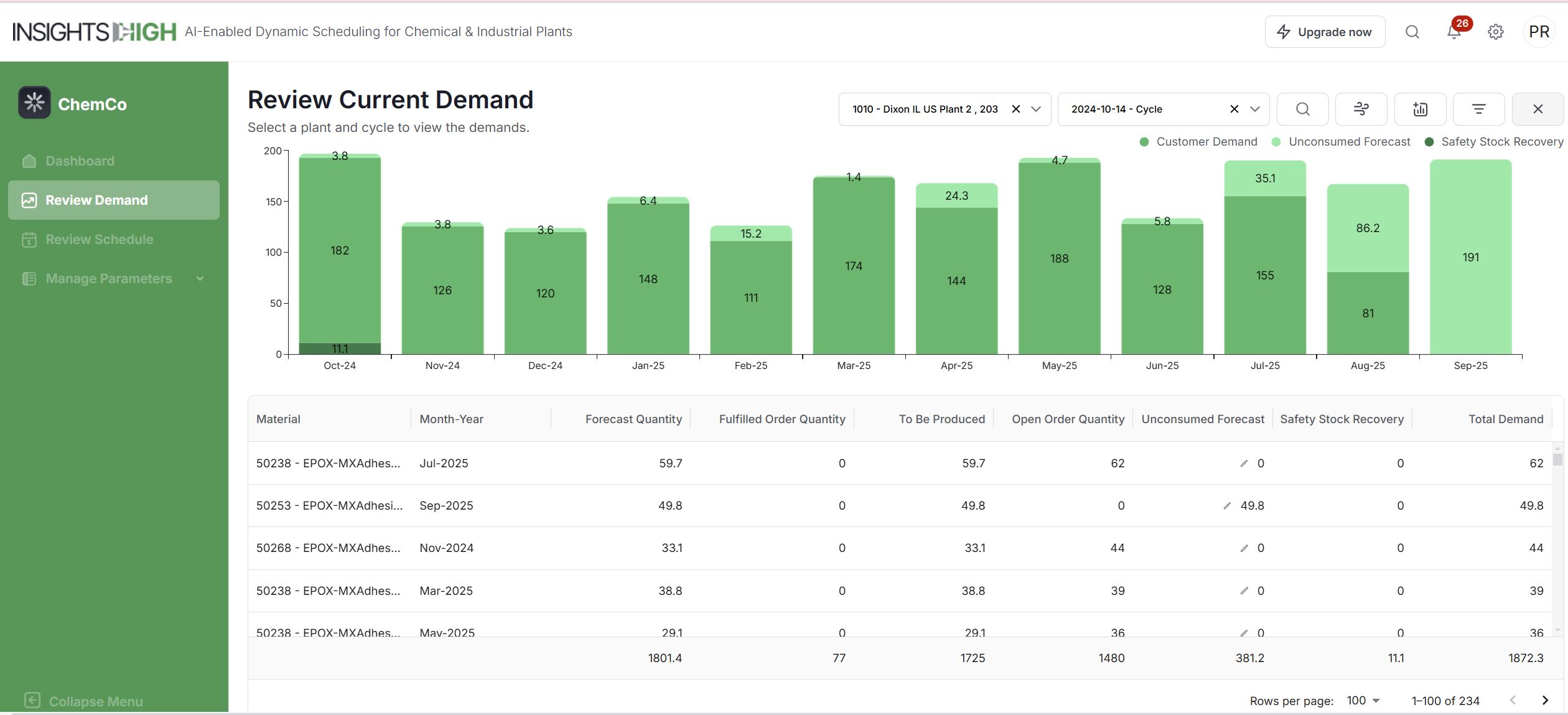
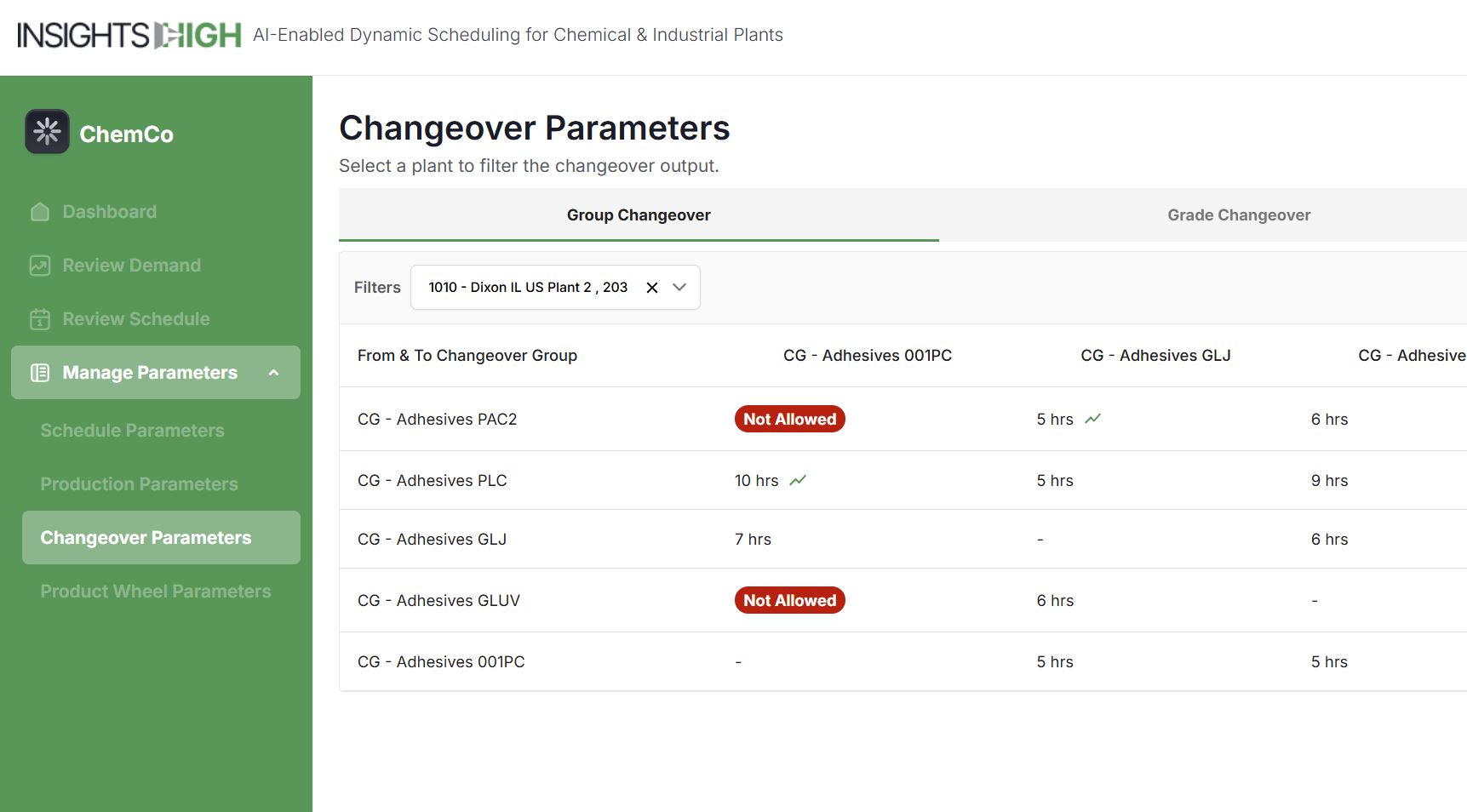
A chemicals company facing poor schedule adherence initially blamed plant operators, accusing them of deviating from the plan. However, a deeper analysis revealed the root cause: their planning tool embedded a discrete monthly planning philosophy, which ignored the capacity impacts of sequence-dependent changeovers and the need for longer runs. As a result, monthly rough cut plans were infeasible from the start. This initiated a significant change to how planning was done and the roles of planning vs. scheduling in the overall IBM process.
The Role of Control Towers in Supply Planning
A control tower is not just a fancy term for a dashboard containing a smorgasbord of metrics and trend charts. In the context of supply planning, it is the nerve center of operations—offering true visibility across production, logistics, procurement, and demand in real time.
But the true value of a control tower isn’t in the data it provides; it’s in the focus it creates. A good control tower doesn’t overwhelm planners—it surfaces the key issues and opportunities, making clear where action is needed to maximize value.
For a large chemical company dealing with unpredictable fluctuations in raw material prices, their control tower provided near real-time alerts about price changes and potential supply shortages. This enabled the supply planning team to make informed decisions quickly—adjusting sourcing strategies and production schedules to mitigate risk. By identifying these issues early, the company reduced its exposure to price volatility and avoided the typical scramble that comes with unforeseen supply chain issues.
Why Most Companies Struggle
- Data Silos: Disconnected data sources and functional silos prevent a comprehensive view of the supply chain, making aligned decision-making impossible.
- Resistance to Change: The cultural inertia in many companies prevents the adoption of new processes and practices.
- The Complexity of Trade-Offs: Balancing cost, service, and efficiency in a highly technical and regulated environment is a constant challenge.
Conclusion: Embrace the Fundamentals
Supply planning is a game-changer for many industries — but only if done well. The fundamentals aren’t glamorous—they’re about alignment, segmentation, trade-off management, collaboration, proactive anticipation, and focusing on the metrics that matter. Technology, control towers, and advanced analytics are all powerful enablers, but without the foundational principles, they are like building a skyscraper on sand.
The companies that master these fundamentals will be the ones to lead the industry, turning their supply chain into a true competitive advantage and not just a cost center. It’s time to stop being reactive and start making supply planning the strategic powerhouse it was always meant to be.